Good morning:
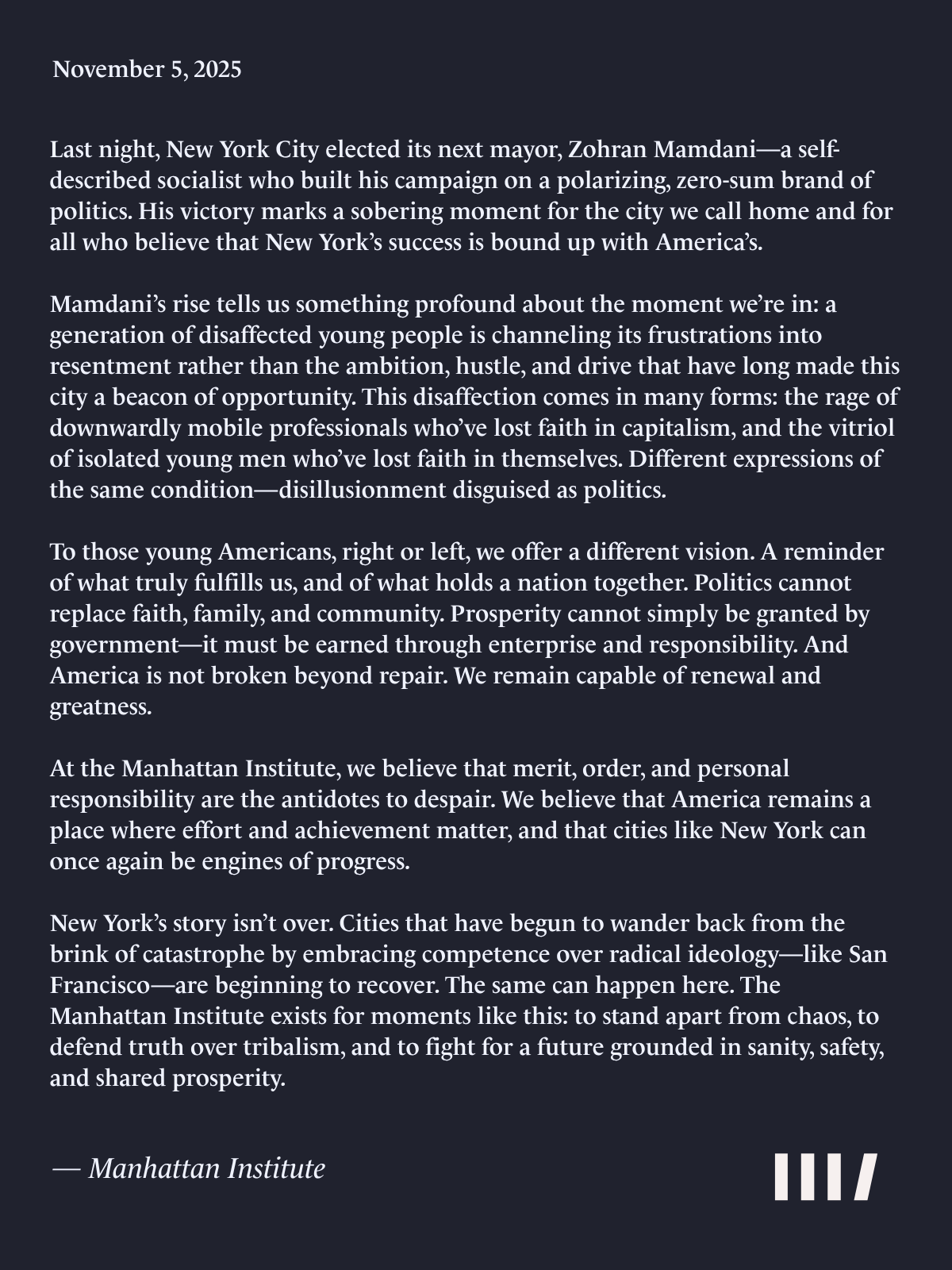
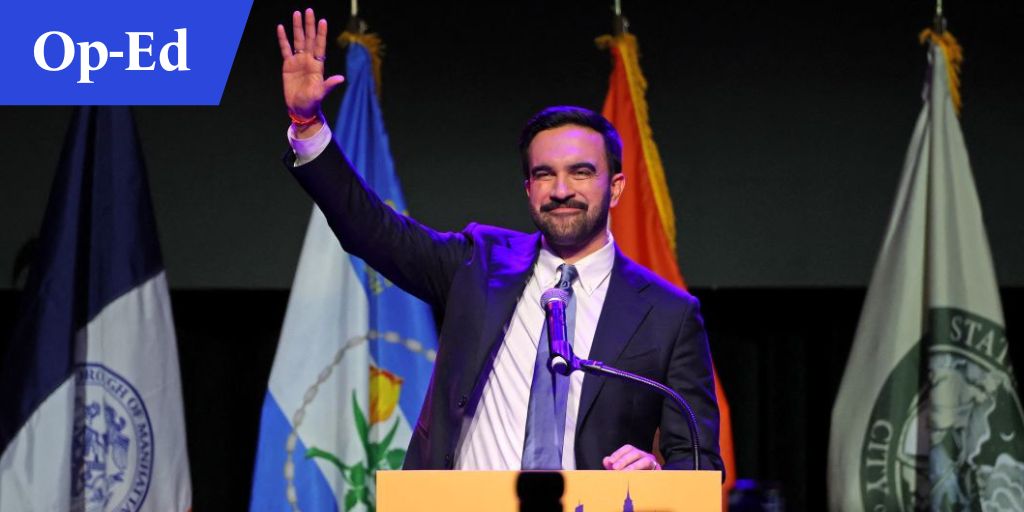
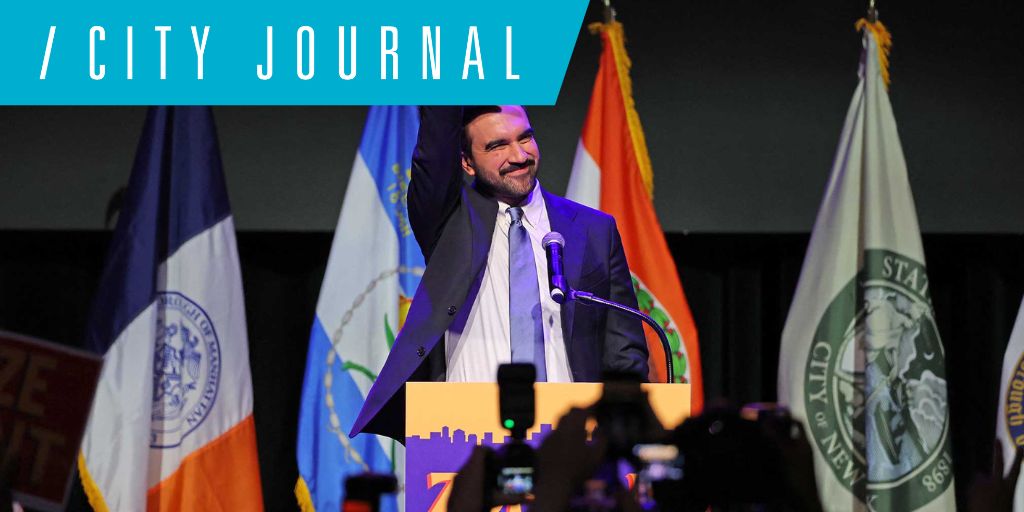
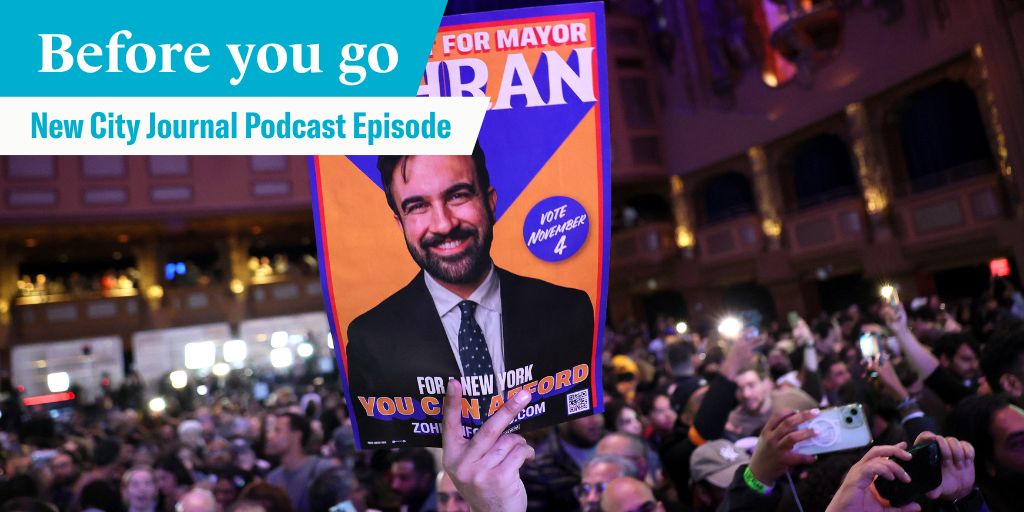
On Tuesday, New York City elected self-described socialist Zohran Mamdani as its next mayor. As we wrote the morning after the election, “Mamdani's rise tells us something profound about the moment we’re in: a generation of disaffected young people is channeling its frustrations into resentment rather than the ambition, hustle, and drive that have long made this city a beacon of opportunity.” Mamdani’s victory is sobering—it shows that a sizable share of New Yorkers now identifies with that vision of politics. But the Manhattan Institute exists to champion another: one grounded in merit, order, and personal responsibility. We will continue to fight for New York’s future, just as we have fought—and prevailed—in other cities that once flirted with Mamdani-style radicalism but are now turning the tide. The same can happen here.
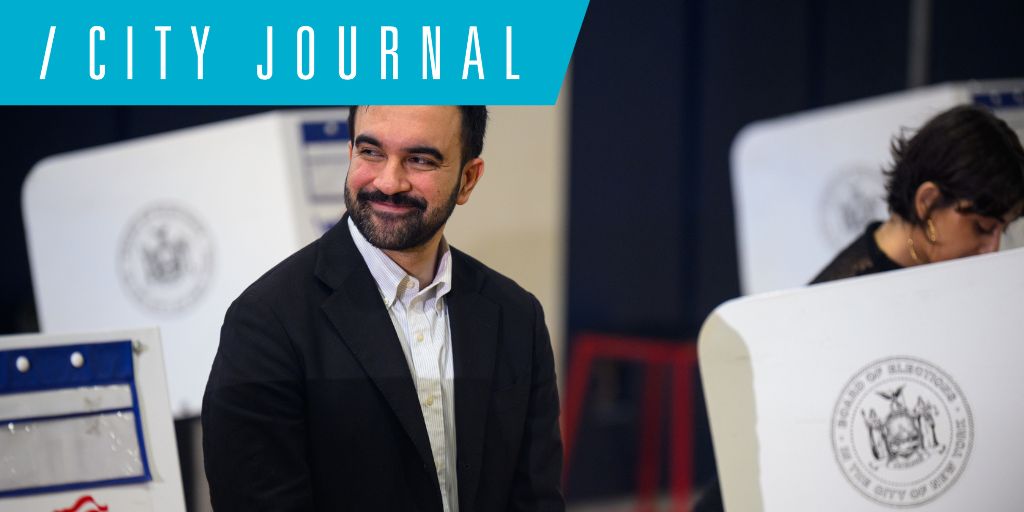
In City Journal, MI President Reihan Salam explains why the mayor-elect’s promises of rent freezes, fare-free transit, and massive new spending will collide with a shrinking tax base and a state legislature unwilling to bankroll his experiment. In The Spectator, senior fellow Heather Mac Donald dissects how Zohran Mamdani’s academic radicalism and activist pedigree have shaped a governing philosophy hostile to private enterprise and economic reality. She warns that his proposals—rent freezes, fare-free buses, and government-run groceries—would devastate New York’s housing market, public finances, and civic culture.
Also in City Journal, MI fellow Daniel Golliher outlines what powers the new mayor will actually wield—and the limits that will quickly constrain him. He explains that while Mamdani can shape the city through his appointments and management, state control over budgets and legislation will leave little room for the sweeping agenda he promised on the campaign trail.
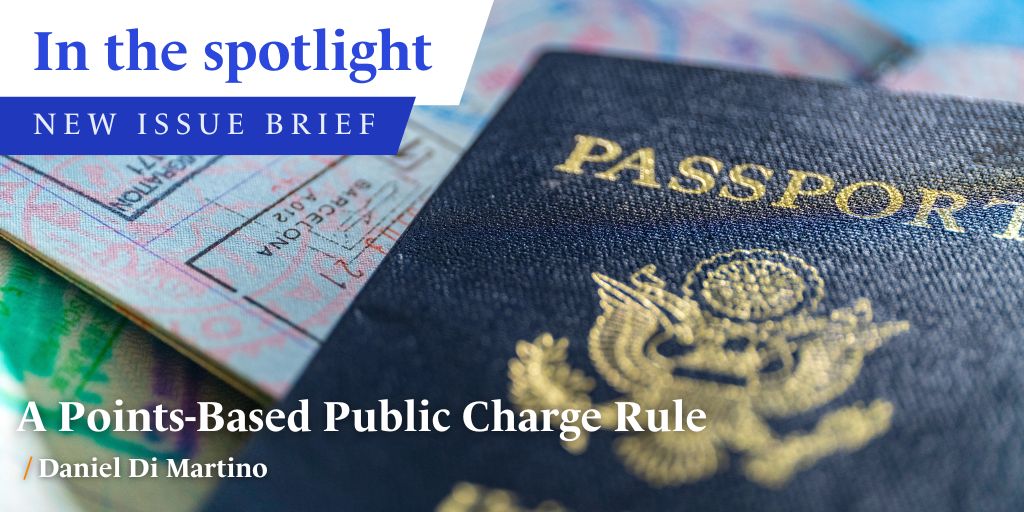
Finally, MI fellow Daniel Di Martino published an issue brief today on how to revive and strengthen the “public-charge rule” in immigration by implementing a points-based system to select potential immigrants who are least likely to become reliant on government benefits. His proposal would align green-card admissions with applicants’ likely fiscal contributions—rewarding education, youth, and English proficiency—and could reduce the federal deficit by billions annually while promoting immigrant self-sufficiency.
There are many more insights in this week’s edition of the MI Weekly. Please continue reading for more of our scholars’ work.
Nick Saffran Editorial Director |
|
|
A Points-Based Public Charge Rule
By Daniel Di Martino | Manhattan Institute
U.S. law has long barred the admission of immigrants who are “likely to become a public charge,” but that rule is infrequently applied. In a new issue brief, MI fellow Daniel Di Martino explains how the public charge rule can be strengthened to prevent the admission of immigrants likely to rely on public benefits—while making the process more transparent, predictable, and fiscally sound. Currently, the rule sharply limits what information can be considered when making a public charge determination. In 2019, the first Trump administration sought to strengthen the rule by expanding the list of benefits considered, but the reform was blocked in court and later withdrawn by the Biden administration.
Di Martino proposes a points-based system assigning scores for education, age, English proficiency, health, financial resources, and past receipt of, or application for, welfare benefits. Applicants who fall short could still qualify by posting a public charge bond, ensuring that taxpayers are reimbursed if they later rely on benefits.
Di Martino shows that this reform would shift visas toward younger and more educated immigrants and cut the federal deficit by over $1 trillion over 30 years through higher earnings, reduced welfare use, and bond revenue. A points-based rule would promote self-sufficiency, reward merit, and restore the original intent of U.S. immigration law. |
|
|
The Cost of Zohran
By Heather Mac Donald | The Spectator “Mamdani wants to make city buses free, at the cost of almost three-quarters of a billion dollars a year in canceled fares. ...
“If the principle of free bus rides is established, farebeating in the subways, already pervasive, will skyrocket. The loss to the city will be more than monetary. The greater loss will be in the further degradation of public order underground.” |
|
|
Pervasive Social-Emotional Learning Brings Big Brother to the Classroom
By Wai Wah Chin | New York Post “SEL is sold as the current must-have fix but actually weakens kids. It replaces the rigor, academics, truth and critical thinking needed for learning and decision making with bad therapists assessing and programming kids ideologically for compliance and collecting massive, intrusive data that can be misused.
Everyone wants kids to succeed socially, emotionally and academically. But above school bells, alarm bells should be ringing.” |
|
|
The Clock Now Ticks on Zohran Mamdani By Reihan Salam | City Journal “The Mamdani revolution was led by downwardly mobile elites—children of the professional class struggling to make ends meet and entranced by the promises of frozen rent and fare-free buses. ...
“Winning over 1 million voters, including a supermajority of New Yorkers under 30, is no small thing. But the mayor-elect didn’t just galvanize his supporters—more than 1 million New Yorkers voted against Mamdani as well, and we can expect to hear from them in the months to come.” |
Zohran Mamdani Is New York City’s New Mayor-Elect. What Can He Do? By Daniel Golliher | City Journal
“Mayoral opportunities are balanced by limitations as well when it comes to changing city law. On paper, the mayor has the authority to veto city council legislation, subject to an override of two-thirds of the council. In practice, the mayoral veto almost always gets overridden. …
“In the end, the mayor’s practical powers emerge from his ability to hire and manage his team, his political skill for negotiating within the political system, and his capacity to anticipate and respond to contingencies creatively. Whether he does these things poorly or well is up to him.” |
|
|
City Journal Reacts to Election Night By City Journal Charles Fain Lehman, Rafael Mangual, John Ketcham, and Pirate Wires's Mike Solana analyze the results of New York City’s mayoral election. |
|
|
For more information and media requests, please contact
communications@manhattan.institute.
Are you interested in supporting the Manhattan Institute’s public-interest research and journalism? As a 501(c)(3) nonprofit, donations in support of MI and its scholars’ work are fully tax-deductible as provided by law. |
|
|
Photo Credits: adamkaz/E+/Getty Images; Noah Berger/AP Photo; Anadolu/Getty Images; Wong Yu Liang/Getty Images; Catherine McQueen/Getty Images; Probal Rashid/LightRocket/Getty Images |
|
|
The Manhattan Institute works to keep America and its great cities prosperous, safe, and free. Manhattan Institute 52 Vanderbilt Ave. 3 floor New York, New York 10017
Want to change how you receive these emails?
Unsubscribe | Subscription Preferences
Copyright © 2025 Manhattan Institute, All rights reserved. |
|
|
|