Good morning:
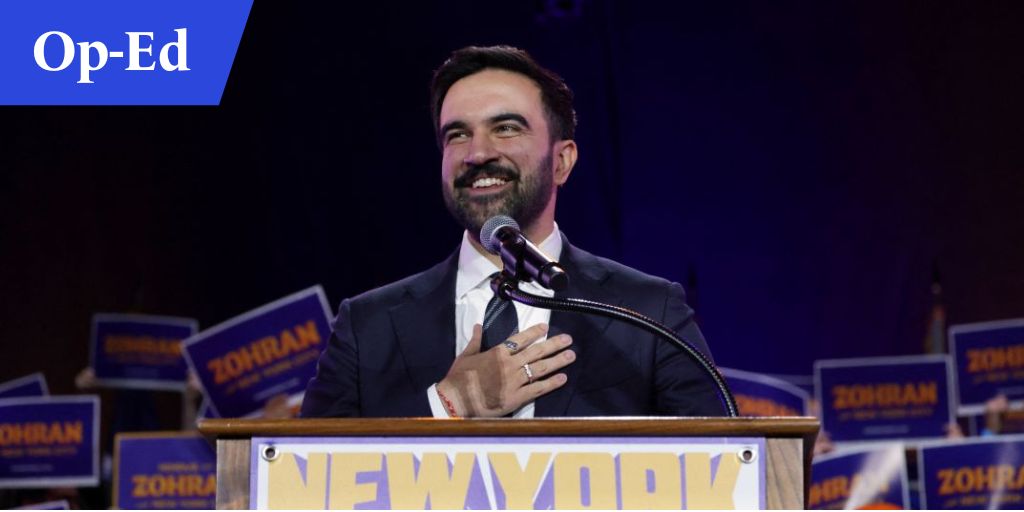
New Yorkers are days away from Tuesday’s mayoral contest and a new Manhattan Institute poll finds that there is a striking difference between frontrunner Zohran Mamdani’s electoral strength and support for his policy agenda.
The survey, conducted October 22–26, included 600 likely voters in the 2025 New York City mayoral election and 300 registered voters across New York State. As vice president of external affairs Jesse Arm writes in his analysis of the results, Assemblyman Mamdani leads the field and bests former governor Andrew Cuomo in a head-to-head matchup. At the same time, the majority of respondents oppose multiple progressive policy ideas: 58% of NYC voters oppose eliminating bus fares; 64% of state voters favor expanding gifted and talented education programs rather than scaling them back; and 55% favor repealing the city’s permissive bail reform laws.
Perhaps NYC is a blue city in a state that may tip purple? That would explain why the MI poll finds Republican Congresswoman Elise Stefanik ties with Democratic incumbent Governor Kathy Hochul in a potential 2026 gubernatorial contest.
Staying with the NYC mayoral race, director of cities John Ketcham looks at the strength of the Muslim vote among New Yorkers and how appealing to that coalition has played a role in the race, in UnHerd.
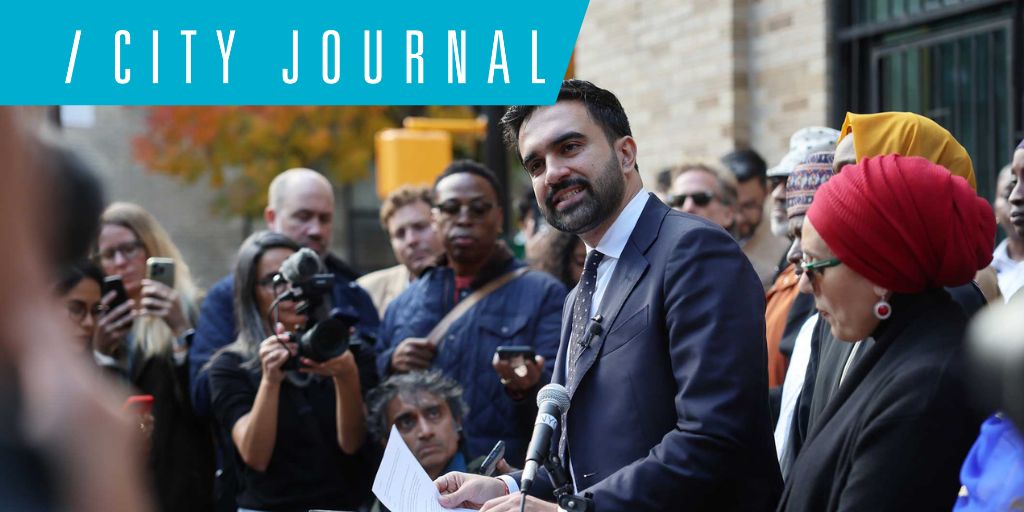
In City Journal, senior fellow Nicole Gelinas argues that New York’s wealthiest denizens will be better positioned than middle-class New Yorkers to “bear the brunt” of policy ideas like rent freezes, free bus fares, and swaps to police resources in favor of civilian outreach workers. These bold experiments in government are largely untested but will certainly have a captive audience.
NYC’s next mayor will also need to be prepared for another kind of audience—the 1.2 million visiting fútbol fanatics expected in July for the 2026 FIFA World Cup. Cities policy analyst Santiago Vidal Calvo writes in City Journal that the city’s largest sporting event in its history will stress infrastructure, such as hotels, and city services, such as transportation and public safety. Managing the event preparations will be a mammoth task for any mayor, and a considerable test of his managerial skills.
In other news, senior fellow Allison Schrager evaluates the current phenomenon of low credit spreads, which usually suggests a low-risk economic environment. Yet “low risk,” Shrager writes in Bloomberg, “describes precisely nothing about this market.”
Finally, in a new paper released this week, adjunct fellow Jennifer Weber argues that mayoral control of education systems, leads to more successful long-term reform. Using mayoral control in NYC as a case study, Weber finds that the city closed achievement gaps with state and national averages on standardized tests while maintaining greater administrative efficiency than board-governed districts. The paper recommends NYC preserve mayoral control and suggests that other struggling districts adopt a similar governance structure.
Continue reading for all these insights and more.
Kelsey Bloom
Editorial Director