Good morning:
From the ongoing electoral contest to be New York City’s next mayor, to debates among the members of the Charter Revision Commission reviewing the city’s charter, there have been few lazy-hazy days this summer.
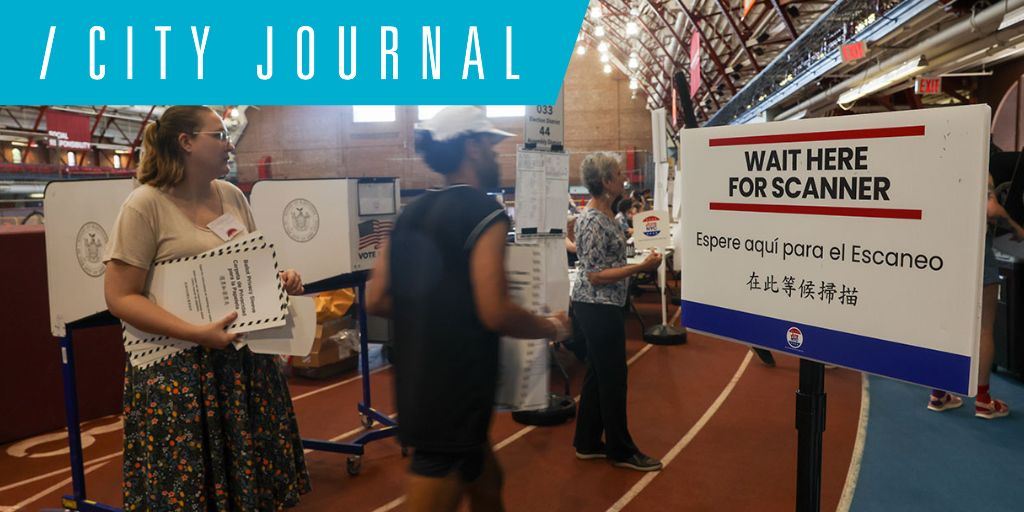
In City Journal, director of cities John Ketcham wrote about the Charter Revision Commission’s decision to shelve electoral reform under pressure from progressive activists and officials. The NYC electorate is hungry for reforms that would open up the primary system and make candidate selection more democratic, but closed primaries favor far-left activists and politicians like Assemblymember Zohran Mamdani, who won the June Democratic primary.
Whether Mamdani or another official is elected, the next mayor will face a troubling fiscal situation, senior fellow Eric Kober explains in his new 3-in-1video. By law, the city’s budget must be balanced, or a state control board is activated. Those incentives knock mayors’ grand ambitions down a peg.
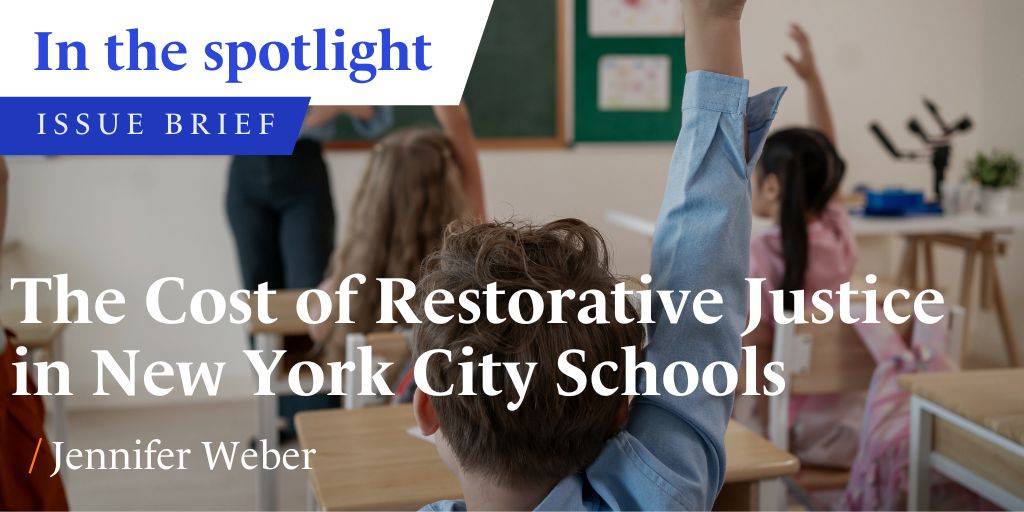
One such decade-long ambition was implementing the principles of restorative justice (RJ) in NYC public schools. In a new issue brief, Jennifer Weber lays out what NYC schools and students lost—apart from an estimated $97 million—by abandoning traditional behavior-based methods of discipline in favor of inadequate progressive-inspired conflict resolution techniques.
MI president Reihan Salam may touch on all these NYC topics when he sits down with incumbent mayor Eric Adams for a “Governing in NYC” event in August. Please join us for the timely and wide-ranging conversation.
In other news, Paulson Policy Analyst Neetu Arnold reviews a new Florida law that expands a state program that works to place high-performing charter schools in low-performing districts. In City Journal, Arnold finds that charter schools are not just for struggling students, they are a boon to students who were failed by their traditional public schools available to them.
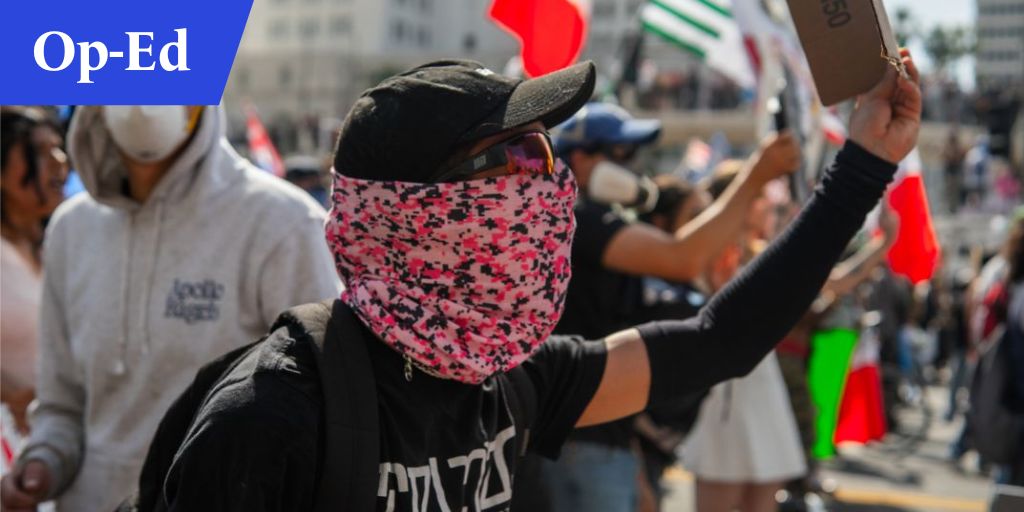
MI’s director of constitutional studies, Ilya Shapiro, and MI’s director of external affairs, Jesse Arm, wrote in the Wall Street Journal about the three steps the Trump administration can take to unmask protesters who hide behind face coverings to intimidate and cause mayhem. Americans understand that masked rioting is not the same as speech protected by the First Amendment.
Thankfully, when it comes to protecting the traditional pillars of constitutional self-government, Americans have an ally in the current U.S. Supreme Court. Senior fellow Andy Smarick weighed in on the court’s “conservative-ish majority” for The Dispatch. From showing deference to the states to limiting the power of the federal agencies, Smarick concludes that “no SCOTUS in recent memory, and possibly no SCOTUS in the last century, has taken American self-government more seriously.”
Continue reading for all these insights and more.
Kelsey Bloom
Editorial Director