Good morning:
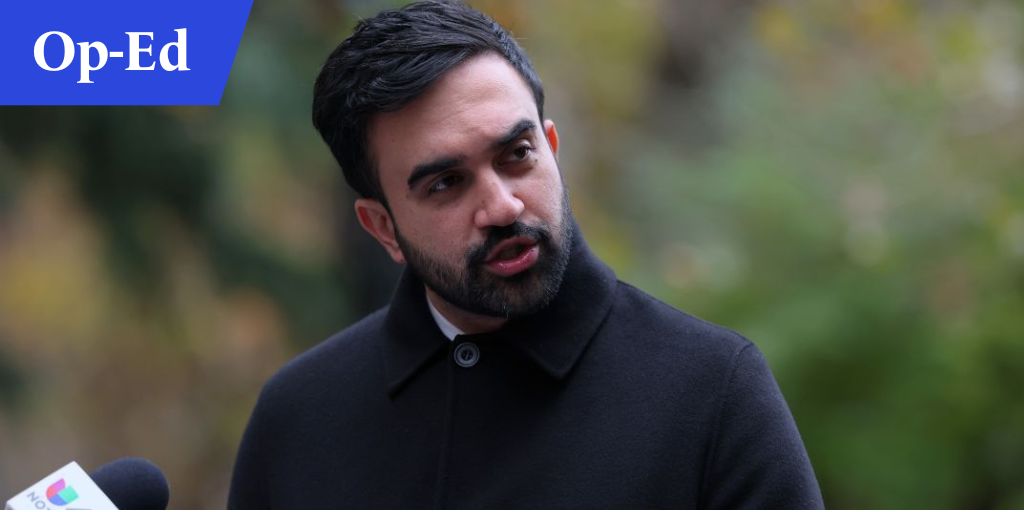
Last week, mayor-elect Zohran Mamdani pledged he will put a stop to clearing homeless encampments in New York City, a signature initiative of the Adams administration. “If you are not connecting homeless New Yorkers to the housing that they so desperately need,” said Mamdani, “then you cannot deem anything you’re doing to be a success.” But NYC has plenty of shelter for the homeless. They simply won’t use it.
In the New York Post, MI’s director of research Judge Glock warns that a major reason the homeless refuse shelter services is because shelters typically have rules against alcohol and drug use. Given that surveys show the unsheltered homeless struggle with substance abuse at a far higher rate than the sheltered homeless, encampments that are left undisturbed and allowed to spread will lead to increased crime and disorder in the community. It also leaves the unsheltered homeless more vulnerable.
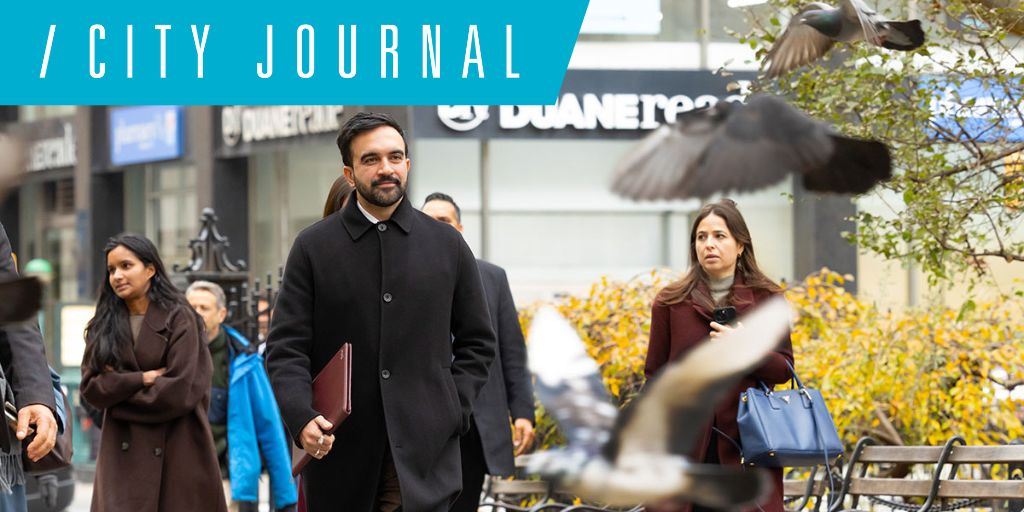
Local New Yorkers consistently voice their opposition to homeless encampments, making tens of thousands of 311 complaints about them a year, writes senior fellow Stephen Eide in City Journal. Other progressive politicians, like former mayor Bill De Blasio, realized that “when left-wing politicians keep the lid on crime and quality of life, the public will give them a freer hand with much of the rest of their agenda.”
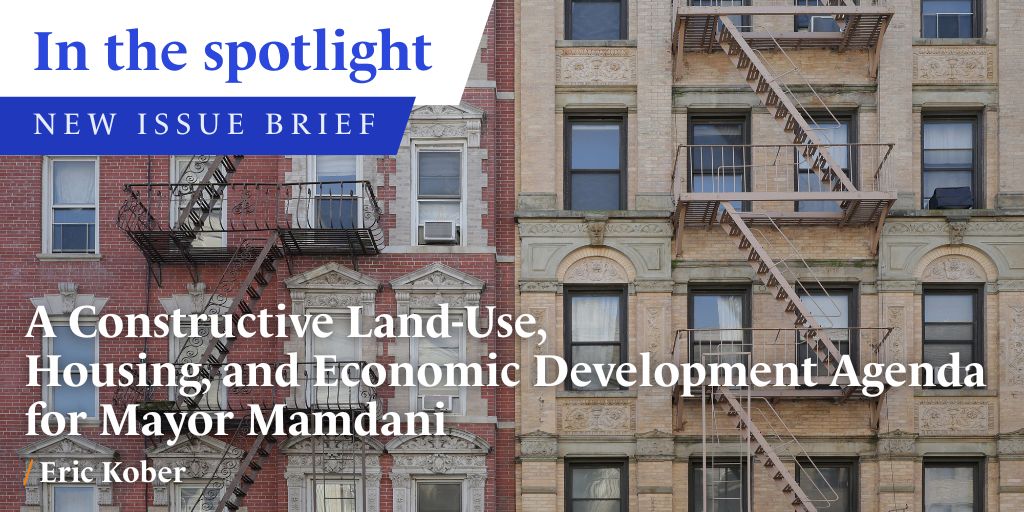
There are openings for Mamdani to improve the quality of life of New Yorkers that will not betray his progressive bona fides, especially in housing. In a new issue brief, senior fellow Eric Kober suggests pragmatic land-use, economic development, and housing policies that Mamdani could plausibly adopt without alienating his base. These include eliminating off-street parking mandates, lifting outdated zoning restrictions blocking supermarkets, and restoring outdoor dining.
At least one marker of quality of life seems to have taken a positive turn: the rate of mass murder is at a nearly two-decade low. In UnHerd, fellow Robert VerBruggen breaks down the possible reasons for the decline, including a post-pandemic rebound in active policing and a cooling after the 2020 George Floyd riots. At the same time, there have recently been multiple assassination attempts on President Trump, as well as the murders of Charlie Kirk in Utah and health insurance executive Brian Thompson in New York City. A year of improvement is a welcome relief, but it is not a “great crime decline” that the country desperately needs.
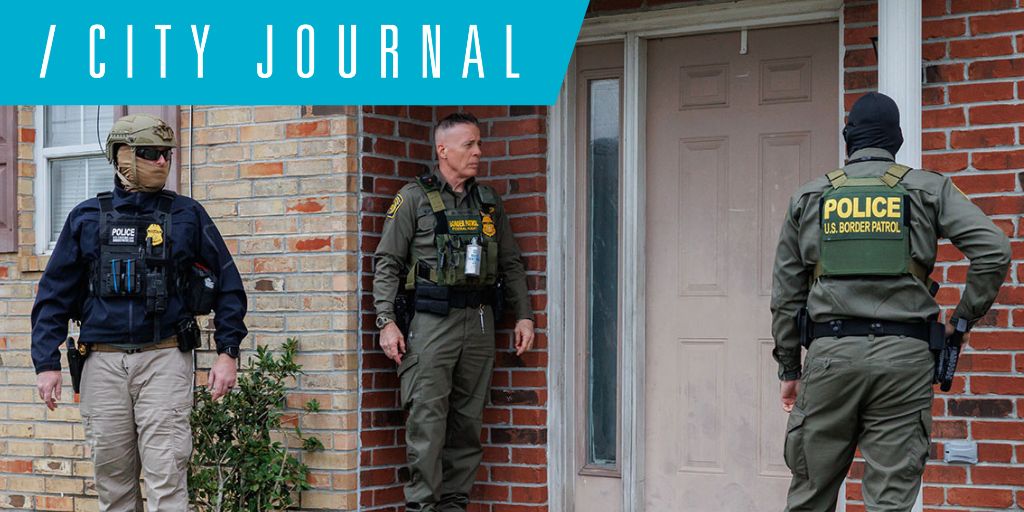
Meanwhile, the killing of a member of the West Virginia National Guard in Washington, D.C., allegedly by an Afghan national admitted under a Biden-era resettlement program, understandably has the Trump administration focused on blanket immigration bans. In City Journal, cities policy analyst Santiago Vidal Calvo has a different suggestion: the administration should tighten the immigration channels that are high-risk and low-reward, while retaining skilled workers that the American economy can use.
Finally, vice president of external affairs Jesse Arm appears in a new video breaking down the findings of his new poll into the coalitions making up the Trump-era Republican Party.
Continue reading for all these insights and more. Kelsey Bloom
Editorial Director |
|
|
A Constructive Land-Use, Housing, and Economic Development Agenda for Mayor Mamdani By Eric Kober | Manhattan Institute
In a new Manhattan Institute issue brief, Eric Kober outlines a pragmatic housing and land-use agenda that incoming New York City Mayor Zohran Mamdani could adopt, despite his progressive commitments and loyalty to left-leaning constituents. The city’s housing shortage—driven by restrictive zoning, rent regulation, and slow approvals—has pushed vacancies to historic lows and contributed to economic stagnation. Kober outlines reforms Mamdani could pursue without alienating his political base.
Key steps include eliminating off-street parking mandates, lifting outdated zoning restrictions that block large supermarkets, rezoning underused industrial land for housing, and restoring year-round outdoor dining. New charter amendments that curb city-council “member deference” also give the mayor new tools to upzone transit-rich neighborhoods, legalize two-family housing more broadly, and fast-track affordable projects in districts that have produced little new supply. These reforms, along with environmental-review modernization and more workable affordability rules, could yield substantial new housing—even under a left-leaning administration. |
|
|
Everyone in the City Will Suffer from Mamdani’s Decision to End Homeless Camp Sweeps
By Judge Glock | New York Post “Mayor-elect Zohran Mamdani on Thursday said he will end the clearance of homeless encampments in New York City. The inevitable result of this decision will be more crime and disorder on the streets — and more deaths among the homeless themselves. “Mamdani claims that encampment clearances are cruel because they aren’t ‘connecting homeless New Yorkers to the housing they so desperately need.’ But such complaints ring hollow when New York City has the most expansive ‘right to shelter’ laws in the nation. Those sleeping outside have the option to get inside. They just don’t want to take it. ... “Clearing encampments works. In 2006 Los Angeles Police Department Commissioner Willie Bratton, a former and future New York City police commissioner, began the ‘Safer Cities Initiative’ to clear LA’s notorious Skid Row. Within one year homeless overdose deaths in the area were down by 50% and homicides by even more.” |
|
|
Why US Mass Killings Are Nearing a Two-Decade Low
By Robert VerBruggen | UnHerd
“Different types of killings don’t always move up and down in perfect sync. But this decade, both mass killings and the overall murder rate shot up the year of the pandemic and the George Floyd riots, and then dropped — at least back to their pre-2020 levels, and potentially further if current trends carry into 2026. The decline in mass killings may simply be part of this wider cooling in American violence. “But these trends don’t answer the key question: if mass killings are merely reflecting trends in violence, why is violence down? Part of it is likely just that America has calmed down a little since the high-stress events of 2020. |
|
|
Tent City, Here We Come
By Stephen Eide | City Journal
“One potential beneficiary of Mamdani’s affirmation of street homelessness is California governor Gavin Newsom. New York and California, simply by virtue of their sizes, will play leading roles in settling the current debate over whether the Democratic Party should veer centrist or socialist. Newsom and other California Democrats have much to atone for in homelessness policy. Of late, though, they’ve prioritized enforcement. Tents are down in San Francisco. “Will Newsom, who has taken care over the years to get himself photographed participating in cleanups, use Mamdani’s encampment laxity to position himself as a sensible centrist? Around this time in 2021, many centrist Democrats looked hopefully at New York and Eric Adams’s law-and-order brand, while California Democrats still had much to sort out. What a difference four years can make.”
|
Trump Should Rethink Blanket Immigration Bans
By Santiago Vidal Calvo | City Journal
The shooting “of two West Virginia National Guard members in an ambush attack near the White House—allegedly by Rahmanullah Lakanwal, an Afghan national admitted under a Biden-era resettlement program—has thrust immigration policy into the spotlight once again. ...
“President Trump vowed that his administration would ‘permanently pause’ migration from all ‘Third World Countries.’ It is now reviewing Biden-era asylum cases and green card applications from 19 high-risk countries—most already restricted from immigration benefits in June 2025—and may soon add at least ten more countries to the travel ban list. ...
“If the president’s goal is to protect Americans and strengthen the economy, then his changes to immigration policy should be aimed at filtering immigrants in a smart way. A blanket ‘Third World’ ban ignores the fact that not all migration is equal. Some channels are clearly good for the United States—high-skill immigrant visas, STEM-focused student visas, and employment-based green cards.” |
|
|
The New GOP: Survey Analysis of Americans Overall, Today’s Republican Coalition, and the Minorities of MAGA
By Jesse Arm | Manhattan Institute “New Manhattan Institute polling is cutting through a lot of noise about where the American right is headed. ... “Two-thirds of today's GOP coalition are what we call Core Republicans: older, churchgoing, consistently conservative on economics, foreign policy, and social issues. They remain the beating heart of the GOP. ... “The path forward isn't orienting the party around schizophrenic conspiracists or bigots. It's making clear choices about the kind of coalition the GOP wants to lead.” |
|
|
For more information and media requests, please contact
communications@manhattan.institute.
Are you interested in supporting the Manhattan Institute’s public-interest research and journalism? As a 501(c)(3) nonprofit, donations in support of MI and its scholars’ work are fully tax-deductible as provided by law. |
|
|
Photo Credits: adamkaz/E+/Getty Images; Noah Berger/AP Photo; Anadolu/Getty Images; Wong Yu Liang/Getty Images; Catherine McQueen/Getty Images; Probal Rashid/LightRocket/Getty Images |
|
|
The Manhattan Institute works to keep America and its great cities prosperous, safe, and free. Manhattan Institute 52 Vanderbilt Ave. 3 floor New York, New York 10017
Want to change how you receive these emails?
Unsubscribe | Subscription Preferences
Copyright © 2025 Manhattan Institute, All rights reserved. |
|
|
|