Good morning:
Chinese labs currently dominate the world of open-weight AI. Developers and businesses download open-weight models—meaning the AI’s governing calculations are public and can be customized by users—because they are cheap and readily available. But this is a significant security and economic risk for the United States.
Independent testing of Beijing-accountable models like Qwen and DeepSeek find them easier to jailbreak and hijack than American models. Open releases from superior American labs, however, are voluntary and one-off. Even older versions of the AI models are not frequently offered to the public. Given this disadvantage, why should the U.S. Congress offer antitrust safe harbor to the American labs, as they are requesting?
In a new policy memo, MI scholars Arpit Gupta, Brandon Fuller, and Sean Speer propose a trade. American frontier labs want antitrust protection so they can cooperate against Chinese theft and model distillation. In exchange for that safe harbor, labs should be obligated to release open-weight models that compete with the Chinese offerings. They would be required to release these models on a predictable schedule and after independent testing. The proposal is both pro-security and pro-competition. I encourage you to review the full proposal below.
AI is also changing the threat environment online. Writing in City Journal, economic policy fellow Dario Marino describes how several government websites around the world recently went offline after the National Security Agency and its European and British counterparts warned of major vulnerabilities in PHP, the scripting language behind roughly 70 percent of websites. Marino warns that the firms most at risk of malicious cyber-attacks also underinvest in defending themselves. But it seems that the AI that can find and exploit security holes may be the same AI most helpful in preparing a patch.
Also in City Journal, senior fellow Charles Fain Lehman shows how Flock Safety’s automated license plate readers have saved children’s lives. His account begins with “Allie,” a 12-year-old from Woodruff, South Carolina, who was lured by a man she believed was a teenage boy. Investigators had no license plate to go on, but they could describe the car, and Flock’s database tracks vehicles by appearance, leading to the girl’s rescue. Lehman’s reporting provides a necessary counterargument critics who seek to ban these tools, a debate we’ve covered in this newsletter before.
In Bloomberg, senior fellow Allison Schrager takes on the broken economics of higher education—families pay a fortune for degrees that cannot be depended upon to have a payoff, and government lending creates significant distortions, especially for graduate degrees. Thanks to recent changes in policy and public opinion regarding higher education, Schrager writes that there is an opening for the private market to force students to weigh the risks and merits of the debts they are considering. Graduate school may get more expensive as a result, Schrager writes, but that may be a healthy development.
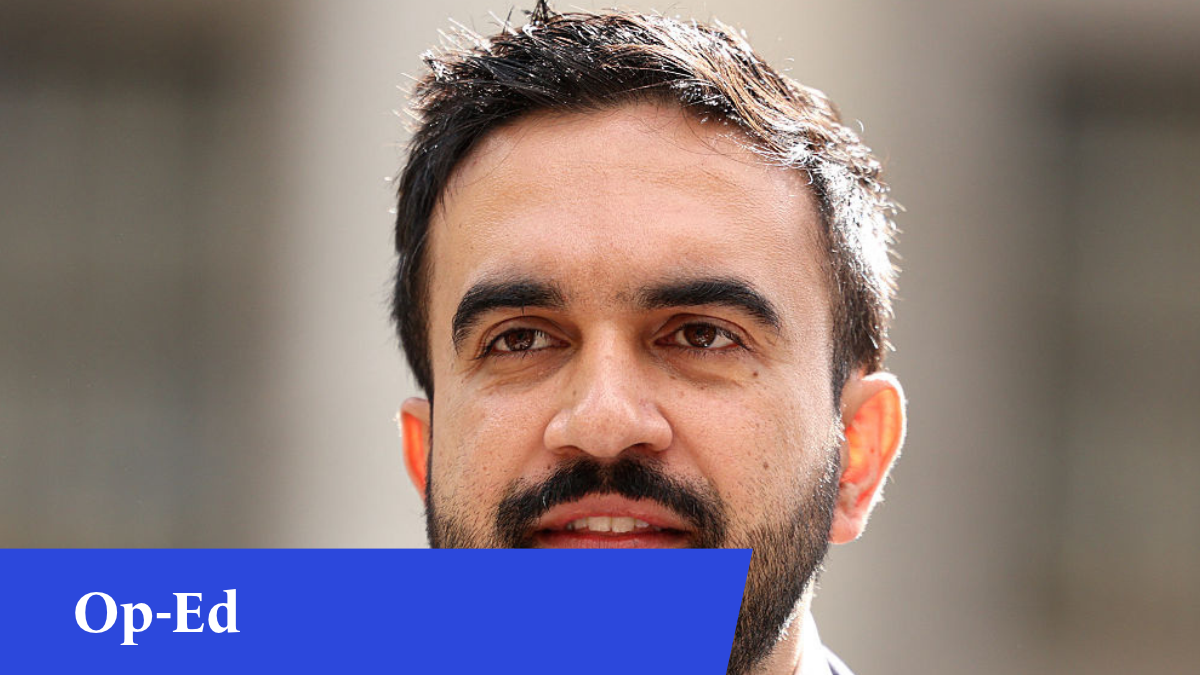
Finally, in a New York Post op-ed, MI’s John Ketcham and Sean Speer take Mayor Zohran Mamdani at his word when he describes quality of life concerns. The question of whether politics delivers “on the block where you live” is a fair standard by which to judge his administration, the authors write. From housing affordability to chronic absenteeism in New York City schools, Ketcham and Speer offer 50 solutions that New Yorkers can experience and appreciate, block by block.
Continue reading for all these insights and more. Kelsey Bloom Editorial Director Manhattan Institute |
|
|
|
An American Answer to China’s Open AI Models: A Safe Harbor for Open Weights
By Arpit Gupta, Brandon Fuller, and Sean Speer | Manhattan Institute | Photo by Michael Markieta/Moment via Getty Images
Chinese labs now dominate open-weight AI. Users download models like Qwen and DeepSeek because they are readily available, even though independent testing finds them easier to jailbreak and hijack than American models. To date, open releases from American AI labs are voluntary and one-off, so developers and businesses are unable to build on them with confidence. Despite this status quo, American labs working on the frontier want antitrust safe harbor, so they can cooperate against Chinese theft and model distillation.
A new Manhattan Institute policy memo proposes a trade. MI scholars Arpit Gupta, Brandon Fuller, and Sean Speer suggest that in exchange for protection against antitrust laws, labs claiming the safe harbor would be obligated to release capable open-weight models on a predictable schedule and after independent evaluation.
This pact brings American models onto the same low-cost economics as Chinese ones, builds a dependable U.S. open-weight pipeline, and widens competition among AI models beneath the frontier. There is a zone of action that protects the intellectual property of American labs while successfully competing with Chinese labs out in the AI marketplace. The zone is narrow, but this policy memo shows the way. |
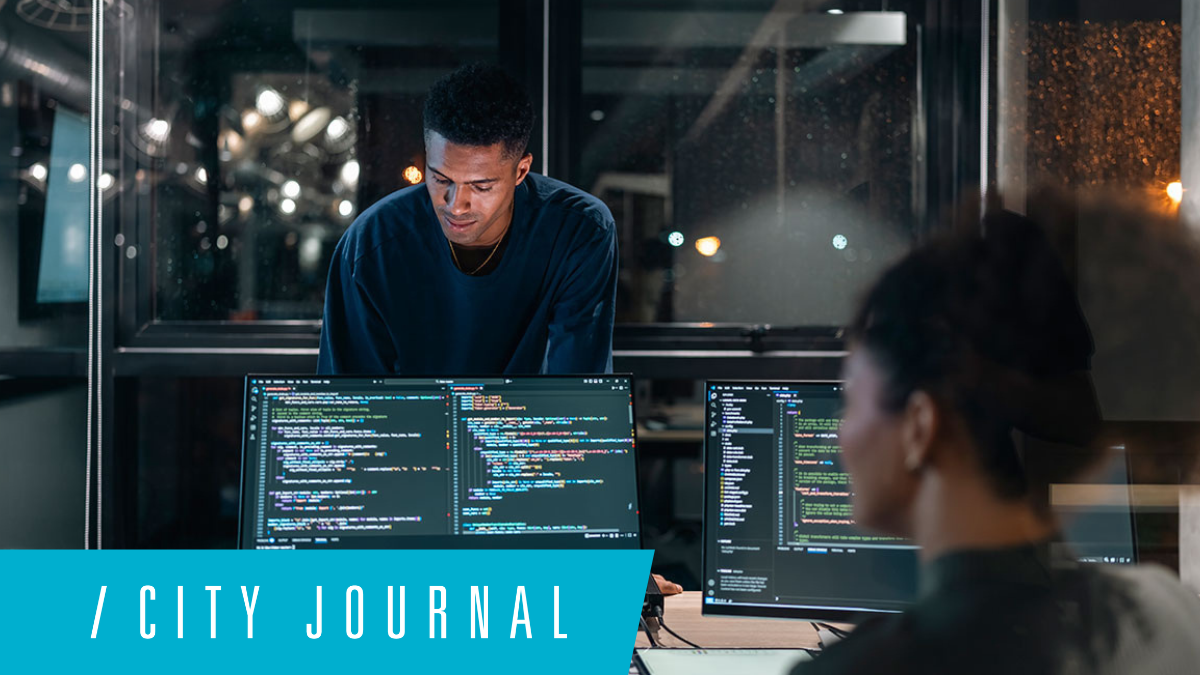
How to Prepare for AI Cyberattacks
By Dario Marino | City Journal | Photo by PixeloneStocker/Moment via Getty Images
“Last Wednesday, several global government websites temporarily went offline following an alarm set off by the National Security Agency and its counterparts in the European Union and the United Kingdom. All three organizations announced major vulnerabilities in PHP, the computer scripting language used by about 70 percent of websites globally. …
“Fortunately, PHP’s developers were able quickly to release a patch. Nevertheless, the incident has added to growing fears about AI’s capacity to enable cyberattacks. …
“This kind of heightened threat environment may be the new normal. That’s particularly alarming, given that, as one recent economics paper argues, the firms most at risk of cyberattack systematically underinvest in defense. At the same time, new AI tools may be a way to help these firms catch up, letting them defend themselves from new cyber threats on the cheap.” |
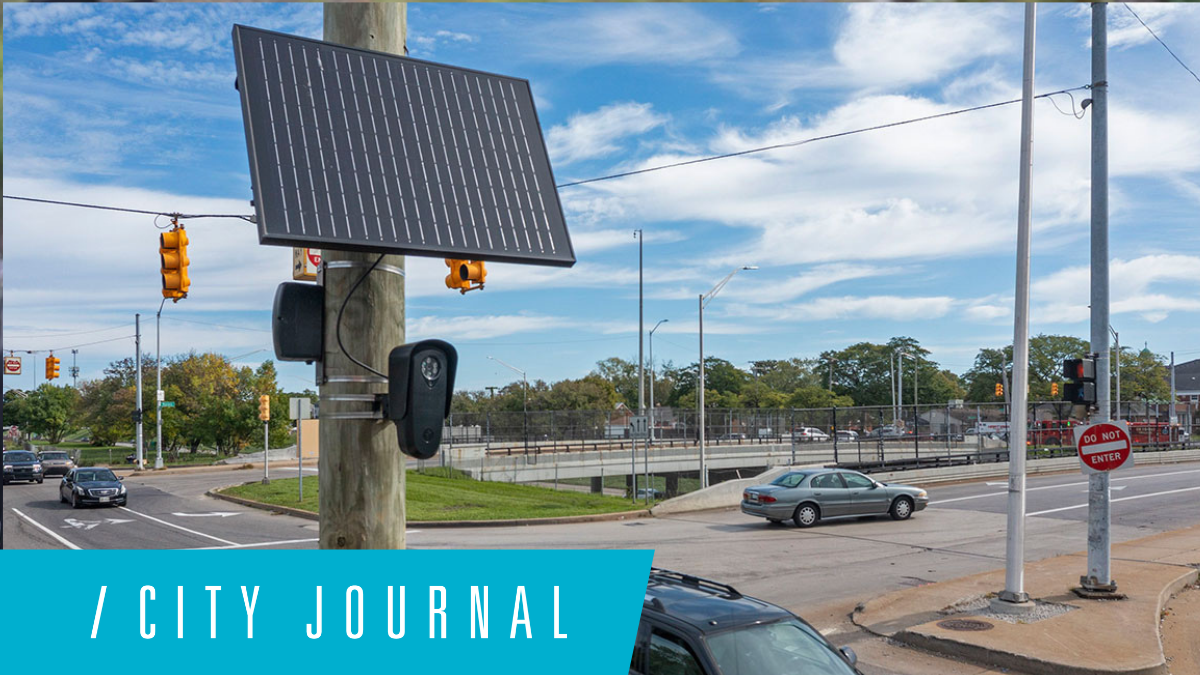
Flock Has Saved Children's Lives
By Charles Fain Lehman | City Journal | Photo by Jim West/UCG/Universal Images Group via Getty Images
“Allie was the picture of a typical 12-year-old girl—pink-and-white-striped shirt, blue jeans, and a PINK backpack, blond hair askew—the day she was taken. She later told police she thought she was meeting a 15-year-old boy, whom she’d first spoken to online and with whom she expected to be in a relationship. Instead, when Allie (whose name I’ve changed for this story) climbed into the black Chevy Malibu that afternoon, she found 31-year-old Brandon Britten. He drove them across three states. …
“Back in Woodruff, South Carolina, law enforcement began a fevered hunt for Allie. … They fed a description of the vehicle—they had no license plate—into Flock Safety’s license plate reader database, which can track cars based on their appearance. ‘Without [Flock’s] technology, we would be at a complete standstill,’ (the Texas sheriff working on the case) told local media.” |
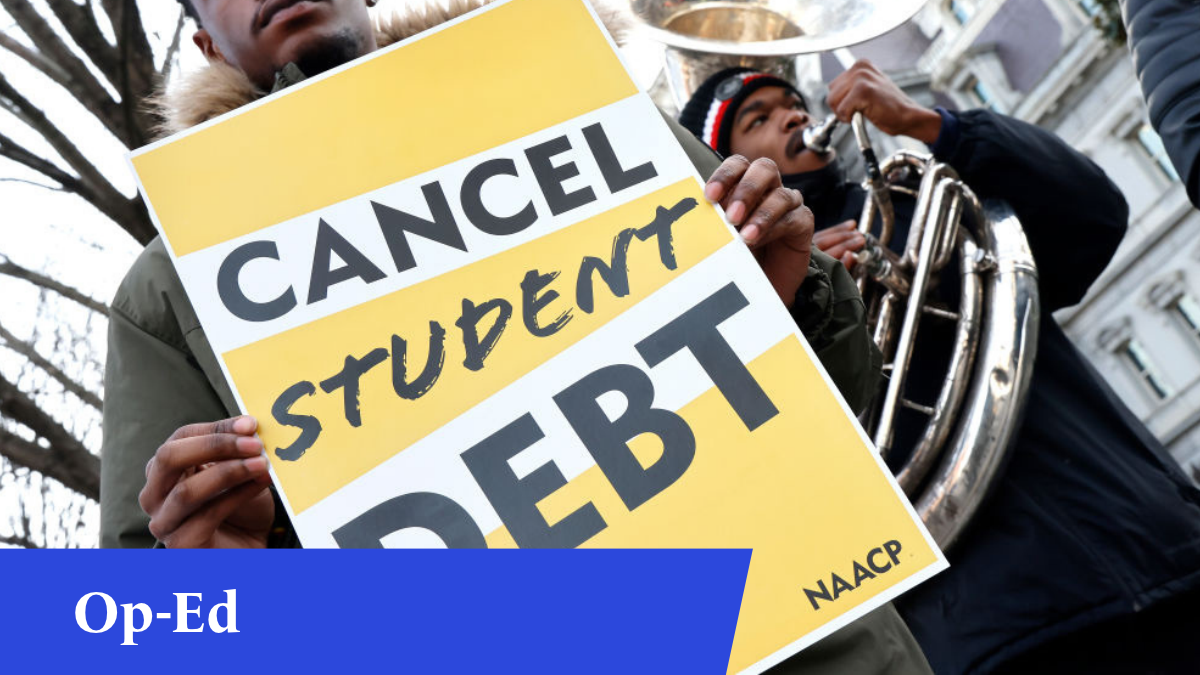
That Grad School Loan May Cost You. It’s About Time
By Allison Schrager | Bloomberg | Photo by Paul Morigi/Getty Images for We, The 45 Million via Getty Images
“Our higher education system is broken. Families pay a fortune for degrees that do not pay off like they used to. However you feel about the future of advanced degrees, they’re certainly a mispriced asset — a mispricing that started in the market for student loans.
The biggest distortions are in graduate degrees, where students have the largest debt burdens. They represent 25% of borrowers, but account for half of all loans. The government has been the dominant lender here, but the Trump administration is scaling back significantly and creating an opening for private players. This will make graduate education more expensive as students are forced to turn to more costly loans, but that may be a healthy development.” |
Even a Socialist Like Mamdani Can Improve New York — Here’s How
By John Ketcham and Sean Speer | New York Post | Photo by CHARLY TRIBALLEAU/AFP via Getty Images
“Mayor Zohran Mamdani recently made an observation that ought to command widespread agreement. ‘Quality of life has come to be seen as somehow a right-wing concern,’ he said. The same goes for efficiency and rooting out waste. His point was that the left shouldn’t surrender these concerns to its opponents.
“If politics cannot deliver on the block where you live,’ asks Mamdani, ‘why would you trust it to deliver anywhere in your city?’ It’s a good question — and a fair standard by which to judge his administration. “He has his work cut out for him.
“Rents keep setting records. Child care runs tens of thousands of dollars a year. The schools spend more than $42,000 per pupil, yet about a third of students are chronically absent.
“Murders and shootings have fallen to record lows, but felony assaults remain roughly 44% above 2019 levels. … Mamdani didn’t create these problems. They built up over years, across administrations, through decisions made in both City Hall and Albany.” |
|
|
How New York City Taxes Residents Through Their Electric Bills
By Ken Girardin | Manhattan Institute | Photo by Skyhobo/iStock/Getty Images Plus via Getty Images
"New Yorkers pay more for electricity than almost anywhere else in the country. In a new Manhattan Institute issue brief, fellow Ken Girardin explains one reason for NYC’s electricity inflated electricity bills: hidden taxes imposed by city government, which are then passed along to ratepayers.
New York City imposes property taxes on Con Edison’s electrical infrastructure, as well as additional utility and sales taxes on top. Together, these city taxes account for more than $22 of a typical apartment’s $118 monthly electricity bill, amounting to an effective tax of 36%–43% on electricity delivery charges.
Girardin argues that these hidden taxes undermine affordability and the city’s electrification goals. He calls for greater transparency and reforms that would reduce electricity costs while preventing officials from quietly shifting the tax burden onto ratepayers." |
|
|
For more information and media requests, please contact
communications@manhattan.institute.
Are you interested in supporting the Manhattan Institute’s public-interest research and journalism? As a 501(c)(3) nonprofit, donations in support of MI and its scholars’ work are fully tax-deductible as provided by law. |
|
| |
The Manhattan Institute works to keep America and its great cities
prosperous, safe, and free. Manhattan Institute
52 Vanderbilt Ave. 3 floor New York, New York 10017
Copyright © 2026 Manhattan Institute, All rights reserved. |
|
|
|
|